

PayLah is widely known as the long-established, original digital payments platform. With younger users, however, PayLah runs the risk of losing foothold as PayNow and other forms of digital payment become more ubiquitous.
DBS came to us with the ask: how might we drive greater engagement and retention from newer generations of users, with a focus on growing recognition of PayLah's unique offerings?
Faced with a short runway to MVP launch, we set out to understand young users’ behaviours, mental models and motivations around such platforms, with the goal of shaping key product strategy decisions with the business team.
Within 4 weeks, PSYKHE completed a qualitative research study to uncover fresh insights from both Teenagers (13-17) and Young Adults.
Material review
We kicked off with a material review, combing through DBS’ past research and data surrounding PayLah perceptions and usage trends. This ensured that we were up to date with the PayLah team’s existing knowledge, and could collaborate closely with DBS to land on targeted research questions for further deep-dive.
Fieldwork
PSYKHE carried out n=12 one-on-one, in-person interviews with both Teen and Young Adult PayLah users. Each session involved:
Synthesis and recommendations
Post-fieldwork, we consolidated all interview data and translated them into actionable insights. Enhanced through conversation with the DBS team, our final recommendations guided long-term product planning as well as fundamental design principles for PayLah.
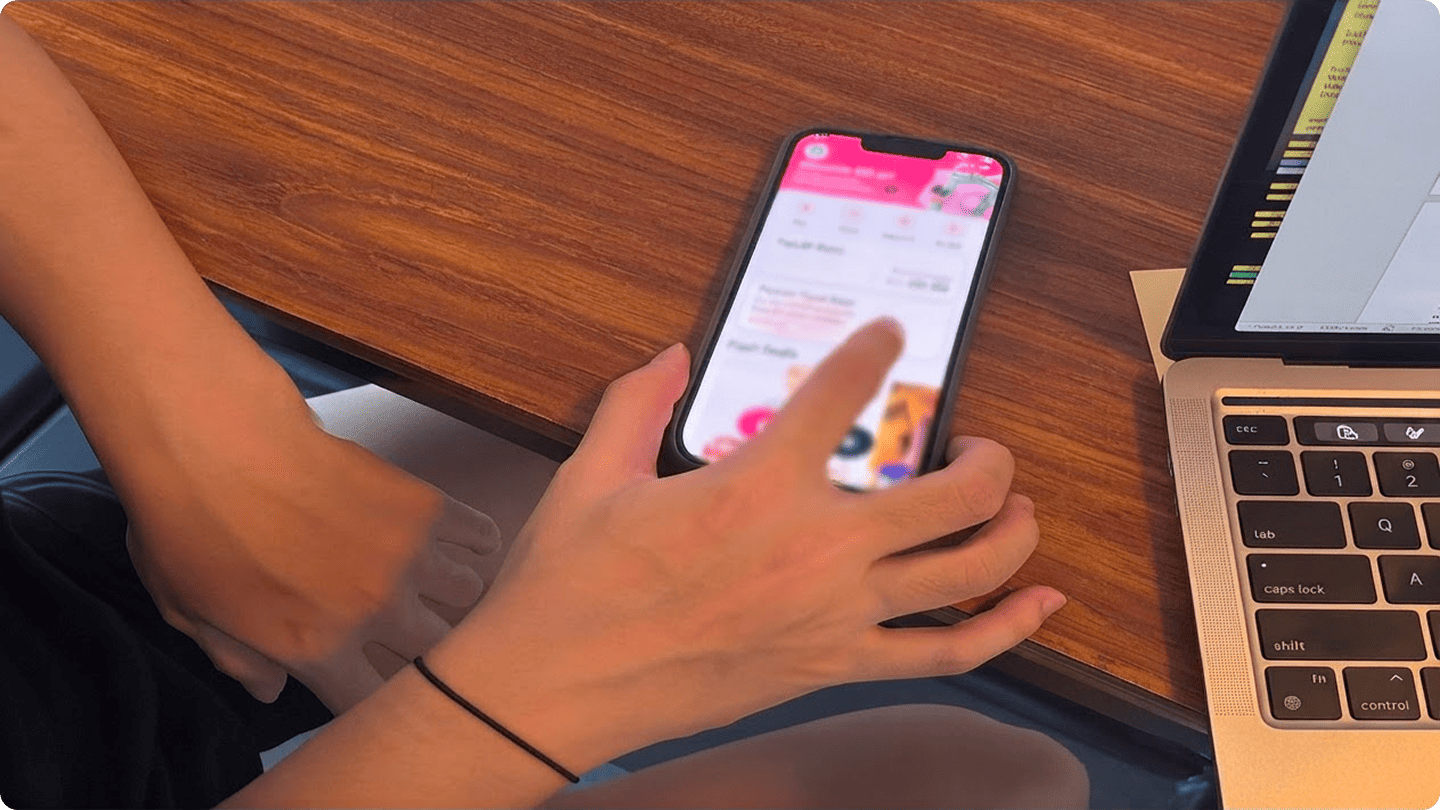
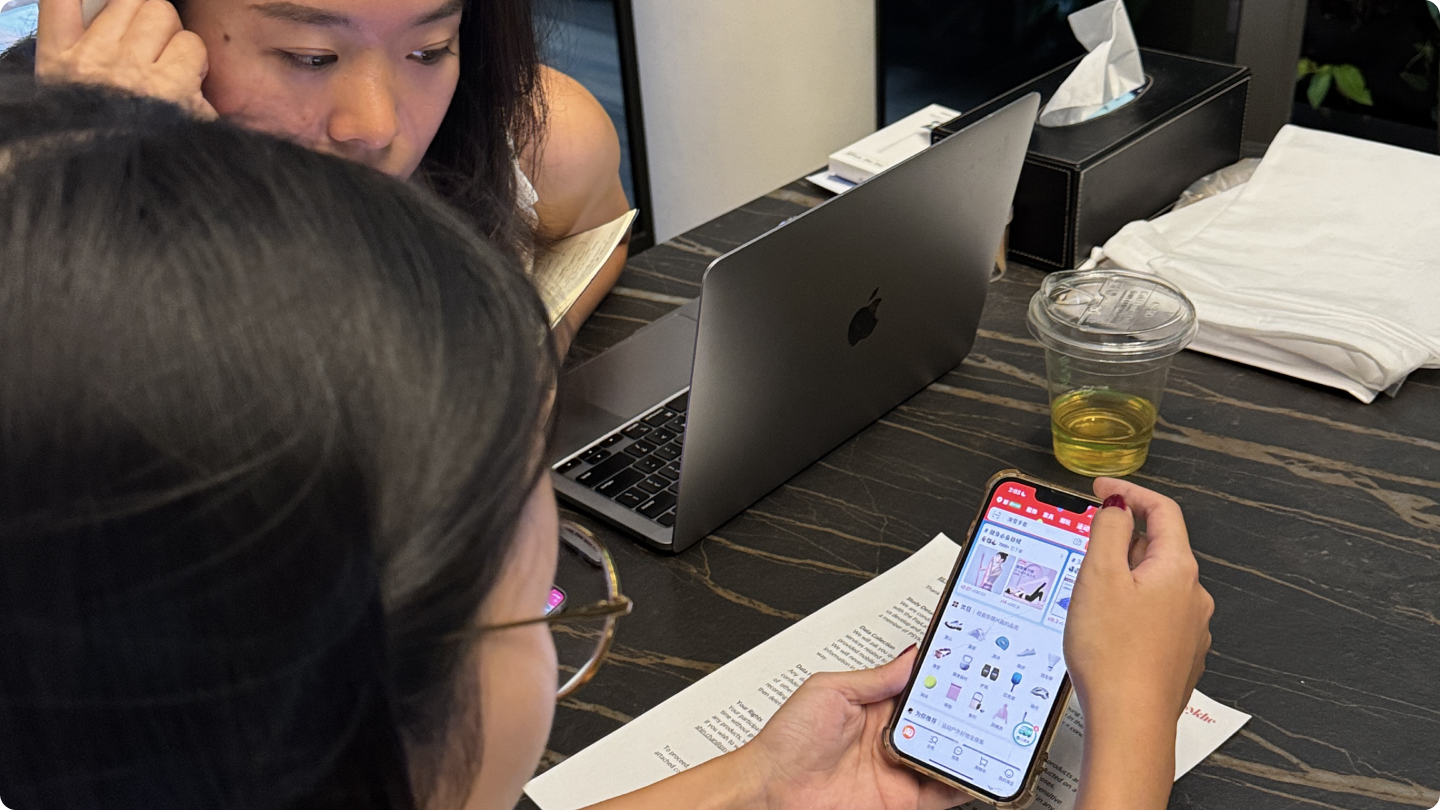
PSYKHE’s research work shaped key strategic discussions within the PayLah team, challenging existing assumptions while uncovering insight into a previously under-studied user segment with distinct behaviours: teenagers.
Take a sneak-peek into some of our conversation-shaping insights:
Deal discovery occurs socially
Young users rarely seek out deals and rewards intentionally in their day-to-day; most learn of such benefits through social channels, influencers and word-of-mouth.
Abundance drives engagement
Although simple, clean interfaces are verbally praised, young users demonstrate more frequent engagement with busy interfaces that capture a sense of abundance.
Headspace defines interaction
Especially for time-critical tasks such as payments, young users are highly focused in their app user journeys. They interact only with features that align with their immediate headspace.
“The PSYKHE team has been very sharp and prompt in understanding our brief and in delivering quality work. More than that, they took time to understand our context, and communicated well every step of the way. It has been a pleasure to work with them!"
– Kezia Jenissa, UX Research, Consumer Banking Group